






















Key points
- Melasma causes brown or grey-brown patches, mostly on the cheeks, forehead, nose and upper lip.
- Sunlight, visible light, heat and hormones (pregnancy, contraceptives) are the main triggers.
- Daily tinted, broad-spectrum sunscreen with iron oxides is the foundation of treatment.
- Melasma is chronic and often returns, so maintenance matters more than any single procedure.
- Lasers and strong peels can worsen melasma in darker skin; they belong in experienced hands.
Melasma is one of the most common pigmentation disorders. It appears as symmetrical, flat, brown to grey-brown patches on the face and is far more frequent in women and in people with medium to darker skin tones (Fitzpatrick types III–V). It is harmless to health, but it is visible, persistent and can strongly affect confidence.
What is melasma?
In melasma, melanocytes in the skin become overactive and deliver too much pigment to surrounding cells. In many patients there are also changes in blood vessels and in the deeper dermis, which helps explain why the condition is so stubborn. Patches are usually described by location: centrofacial (cheeks, forehead, nose, upper lip), malar (cheeks and nose) or mandibular (jawline). Depth matters too: epidermal melasma is brown and responds better to treatment, while dermal melasma is grey-blue and slower to improve. Many people have a mixed pattern.
Causes and triggers
Melasma has no single cause. It develops when a genetic predisposition meets triggers that stimulate pigment cells:
- Sun exposure: ultraviolet light is the strongest trigger, and visible light (including indoor and screen light) also contributes, particularly in darker skin.
- Hormones: pregnancy (the so-called “mask of pregnancy”), combined oral contraceptives and some hormone therapies.
- Heat: saunas, hot kitchens and hot climates can worsen patches.
- Skin irritation: harsh scrubs, waxing, aggressive cosmetic procedures and some fragranced products.
- Family history: many patients have a relative with melasma.
How is it diagnosed?
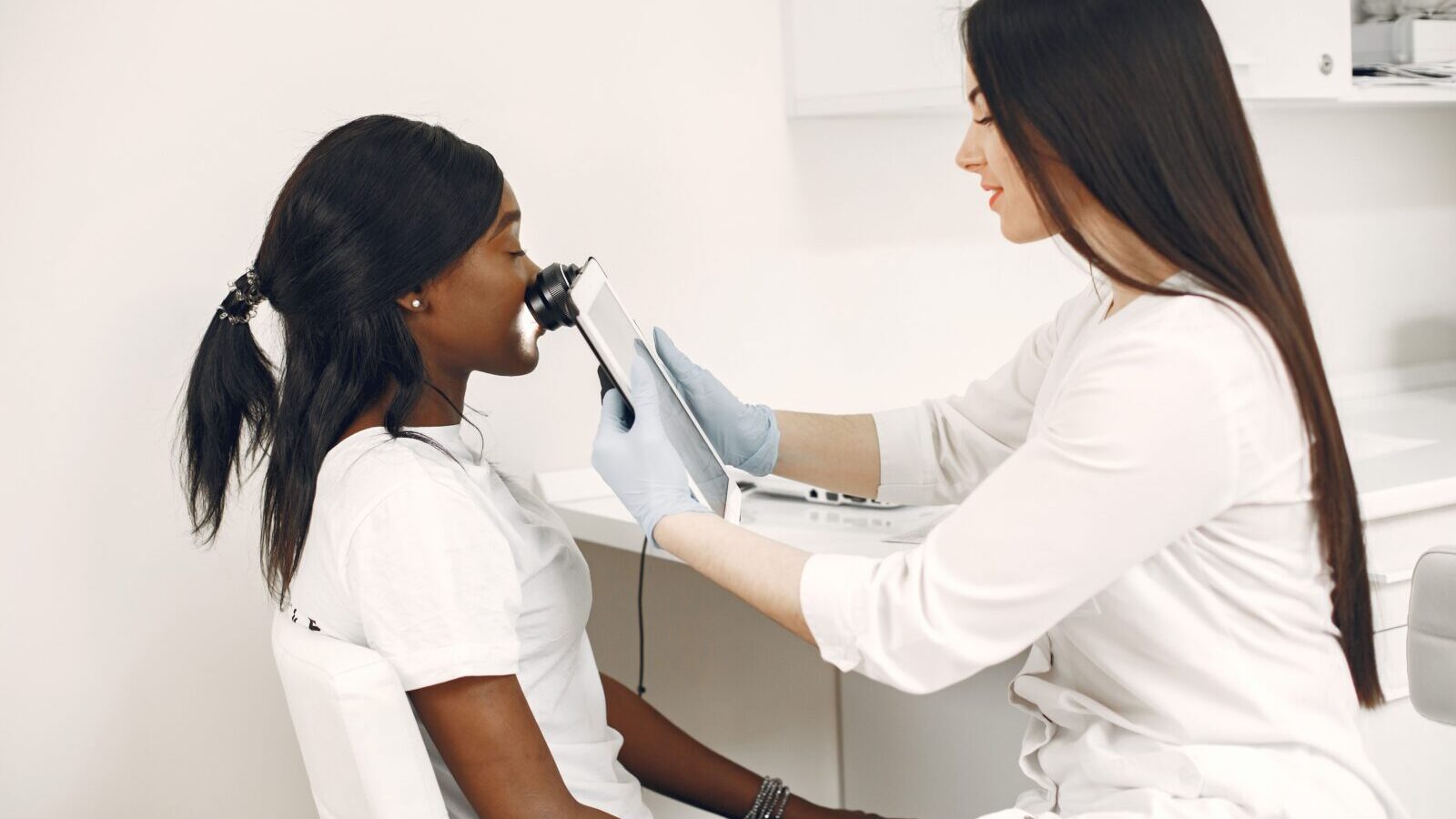
Diagnosis is usually clinical: a dermatologist recognises the pattern and examines the skin, sometimes with a Wood’s lamp or dermoscopy to judge depth. Other conditions can look similar — post-inflammatory hyperpigmentation after acne, sun spots (solar lentigines), drug-induced pigmentation and, rarely, other skin diseases — so a medical assessment is worthwhile before starting long-term treatment. A doctor may also review medications and hormonal factors.
Treatment options
Treatment is built in layers, and the order matters. Sun protection and trigger control come first; medicines and procedures are added on top.
- Sun protection: a tinted mineral sunscreen containing iron oxides blocks visible light as well as UV. Apply generously every morning, reapply every two to three hours outdoors, and add a hat and shade. Without this, nothing else works reliably.
- Topical lightening agents: hydroquinone is the best-studied option and is usually used in cycles under medical supervision. Alternatives include azelaic acid, kojic acid, cysteamine, vitamin C and niacinamide. Triple-combination creams (hydroquinone, a retinoid and a mild steroid) are among the most effective but need monitoring.
- Tranexamic acid: applied topically, or taken by mouth in selected patients after screening for clotting risk. It has become a common add-on for resistant melasma.
- Chemical peels: superficial peels (for example glycolic, salicylic or mandelic acid) can support a treatment plan when chosen carefully. Peels that are too strong can trigger rebound pigmentation.
- Lasers and light devices: low-energy approaches can help some patients, but heat-producing devices may worsen melasma or cause lasting pigment changes, especially in darker skin. They should be used only by experienced dermatologists, usually after the skin has been prepared with topical therapy.
What to expect
Improvement is gradual: most people see change after eight to twelve weeks, and the best results take several months. Melasma is a chronic condition. Even after clearing, patches often return with sun exposure, a new pregnancy or hormonal change, which is why a long-term routine of sunscreen plus a gentle maintenance product is essential.
| Approach | Role | Main caution |
|---|---|---|
| Tinted sunscreen | Foundation, prevents relapse | Must be daily and generous |
| Hydroquinone and alternatives | First-line lightening | Limit duration; medical guidance |
| Tranexamic acid | Add-on for stubborn cases | Screen for clotting risk if oral |
| Peels | Supportive | Too strong can worsen pigment |
| Lasers | Selected, resistant cases | Risk of worsening, especially darker skin |
Practical tips for everyday life
- Choose a tinted sunscreen you actually enjoy wearing; daily use beats a perfect product used rarely.
- Avoid harsh scrubs, waxing on the face and unsupervised “whitening” products, some of which contain unsafe ingredients.
- Discuss hormonal contraception with your doctor if melasma started after you began it.
- Take a photo in the same light every month to track real progress.
- See a dermatologist if patches change quickly, become raised or itchy, or do not respond after a few months.
Melasma in pregnancy and after childbirth
Pregnancy is one of the most common starting points. Because many lightening agents are not recommended during pregnancy and breastfeeding, the safe plan is strict sun protection, a mineral tinted sunscreen and gentle skin care, with active treatment discussed with a doctor after delivery. Many patches fade within months of giving birth, although some persist.
Melasma in darker skin and in men
People with darker skin are more prone to melasma and to treatment-related pigment changes, so gentle, stepwise treatment is the rule. Men can be affected too, about one in ten cases, and the same principles apply: sun protection first, then medical treatment.
When to see a doctor
Book a dermatology visit if the patches appeared suddenly, are asymmetric, itchy, raised or bleeding, or if home products make the skin darker or irritated. A doctor can confirm the diagnosis, check for other causes and design a plan that fits your skin type.
Related reading: Sunscreen and skin aging · Adult acne treatment · Botulinum toxin injections
Frequently asked questions
Does melasma go away on its own?
Melasma linked to pregnancy may fade after delivery, but in many people it persists without treatment, and sun exposure keeps it active.
Is hydroquinone safe?
Used correctly and for limited periods under medical guidance, it is effective and generally well tolerated. Long, unsupervised use can cause irritation or paradoxical darkening.
Which sunscreen is best for melasma?
A broad-spectrum, tinted sunscreen containing iron oxides, because it also protects against visible light.
Can melasma be cured permanently?
It can be controlled and often cleared for long periods, but it tends to return. Treat it as a condition to manage, not a one-time fix.
Are laser treatments a good idea?
Only in selected cases. Lasers can improve melasma but may also worsen it, so they should be considered after topical treatment and only with an experienced dermatologist.
Last medically reviewed: November 2026.
References
- American Academy of Dermatology — Melasma: diagnosis and treatment.
- Systematic reviews of melasma treatment, J Am Acad Dermatol.
- Consensus statements on the management of melasma, Global Pigmentary Disorders working groups.
This article is for general information and does not replace a medical consultation.