























Key points
- Botulinum toxin temporarily relaxes the injected muscles to soften expression lines.
- Results appear in 3–7 days, peak at about 2 weeks and last roughly 3–4 months.
- It does not fill wrinkles or add volume; a natural result depends on dose and technique.
- Choose a qualified medical professional using an approved product; avoid it during pregnancy and breastfeeding.
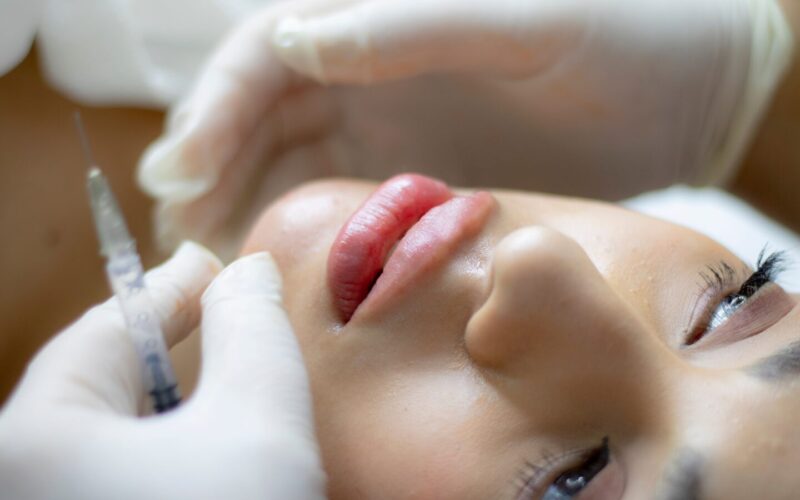
Botulinum toxin type A is a purified protein that temporarily relaxes the muscles it is injected into. In aesthetic medicine it is mainly used to soften expression lines such as frown lines between the eyebrows, forehead lines and crow’s feet. It also has well-established medical uses, including excessive sweating, chronic migraine and some muscle disorders.
How it works
The toxin blocks the signal between nerve and muscle at the injection site. The treated muscle contracts less, so the skin above it creases less. The effect usually appears after three to seven days, reaches its peak at around two weeks and gradually fades over about three to four months.
Common myths
- “It freezes the face.” A natural result depends on the dose and placement. Experienced injectors aim to soften lines while keeping expression.
- “It fills wrinkles.” It does not add volume. Lines caused by volume loss or sun damage may need other treatments, such as fillers or skin resurfacing.
- “The effect is permanent.” It is temporary; muscle activity returns gradually.
Safety and side effects
When performed by a trained medical professional with an approved product, the treatment is considered safe. Possible side effects include small bruises, mild headache and, less commonly, a temporary drooping of the eyelid or eyebrow if the product spreads to a nearby muscle. It is generally avoided during pregnancy and breastfeeding and in certain neuromuscular conditions, so a medical history should always be taken before treatment.
Choosing a practitioner
Ask about the practitioner’s medical qualifications and experience, the product being used and its origin, and what follow-up is offered. Avoid treatments offered at unusually low prices or in non-medical settings, as counterfeit products and poor technique are the main sources of complications.
Frequently asked questions
How long does Botox last?
Usually about 3–4 months. With regular treatments, some people find the effect lasts slightly longer.
Is botulinum toxin safe?
When given by a trained medical professional with an approved product, it is considered safe. Side effects such as bruising or a temporary drooping eyelid are possible.
Can Botox be used for medical conditions?
Yes. It is an established treatment for excessive sweating, chronic migraine and certain muscle disorders.
Last medically reviewed: November 2026.