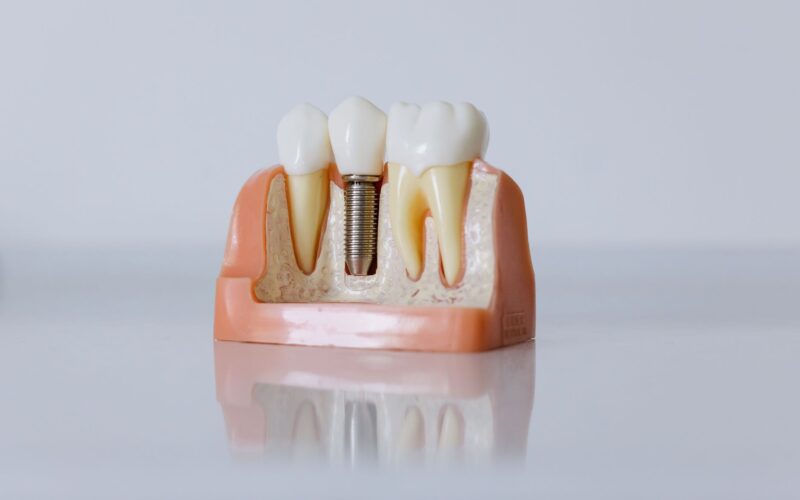























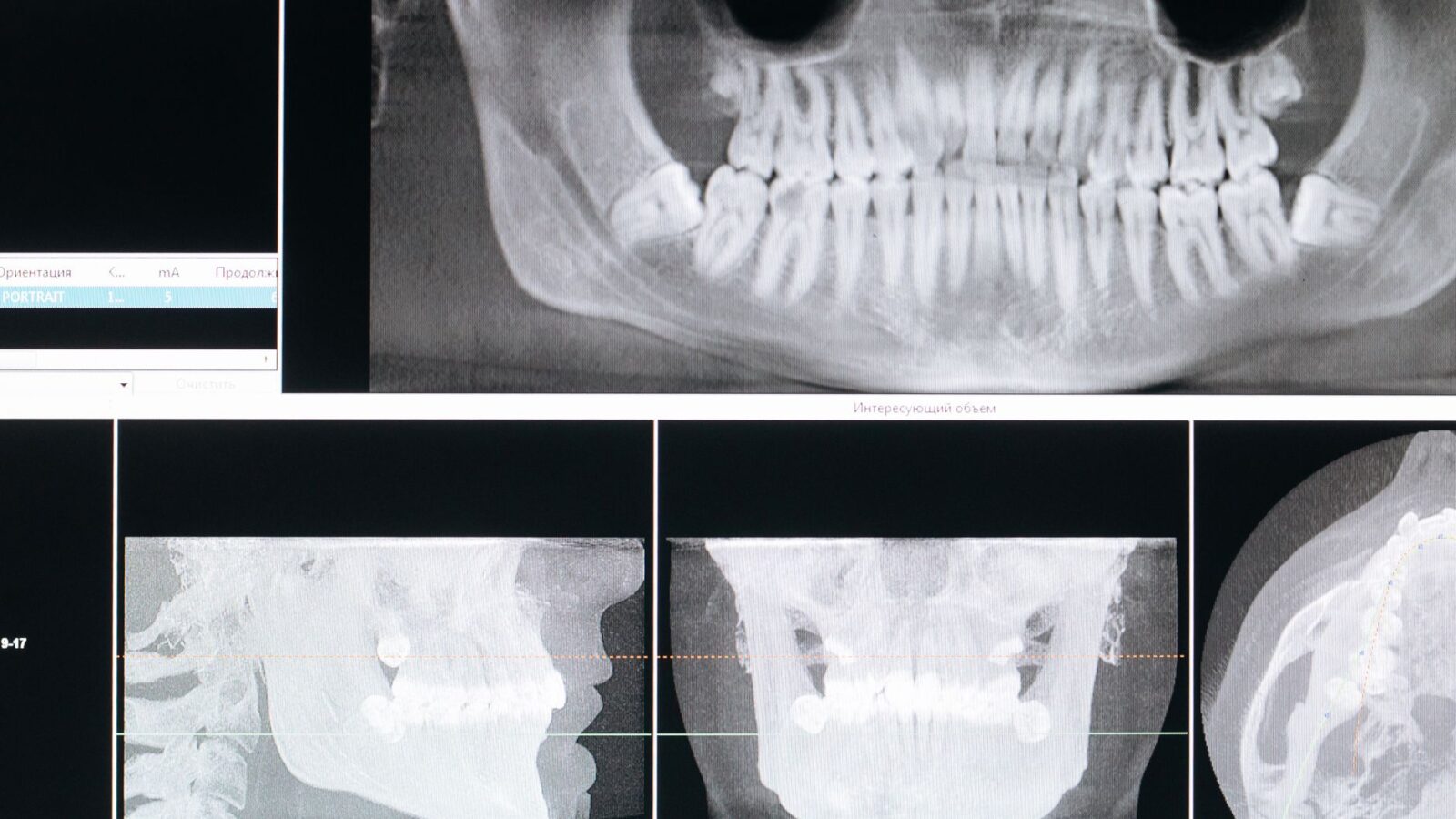
Wisdom teeth (third molars) usually erupt between the ages of 17 and 25. When there is not enough room, a tooth can stay partly or fully under the gum or bone. This is called an impacted tooth. Not every impacted wisdom tooth needs surgery, but some cause real problems if left in place.
Signs that removal is usually recommended
- Repeated gum infection around a partly erupted tooth (pericoronitis), with pain, swelling, bad taste or limited mouth opening.
- Decay in the wisdom tooth or in the second molar next to it that cannot be restored.
- Damage or bone loss behind the second molar caused by the impacted tooth.
- A cyst or tumour around the tooth seen on an X-ray.
- Pain or infection that keeps returning despite good hygiene.
When a wisdom tooth can be left alone
If a wisdom tooth has no symptoms, no disease around it and can be kept clean, many guidelines recommend monitoring it rather than removing it. Your dentist will usually review it with a panoramic X-ray at regular visits.
What the surgery involves
Removal is done under local anaesthesia, sometimes with sedation or general anaesthesia for complex cases. The surgeon may open the gum, remove a small amount of bone and divide the tooth into pieces so it can come out safely. Stitches are often placed. The procedure commonly takes 20 to 60 minutes per tooth depending on position and root shape.
Risks to know about
Most people recover without problems. Possible complications include dry socket, infection, bleeding, and temporary numbness of the lip, chin or tongue when the tooth lies close to a nerve. Your surgeon will assess this on the X-ray or a 3D scan before surgery.
When to see a dentist
Book an assessment if you have pain at the back of the mouth, swollen gums, a bad taste, or difficulty opening your mouth. Early treatment of infection is simpler and safer than waiting for it to spread.
Why wisdom teeth become impacted
Modern jaws are often too small to hold all 32 teeth. The third molars are the last to develop and erupt, so they can be blocked by the second molar, by bone, or by gum tissue. Their growth angle can also be unfavourable, which makes them tilt or lie sideways.
Common patterns of impaction
- Mesioangular: tilted forward toward the second molar; the most common pattern.
- Vertical: upright but stuck below the gum or bone.
- Horizontal: lying completely on its side against the second molar.
- Distoangular: tilted backward toward the throat.
The pattern affects how difficult the extraction is and how likely it is to harm the neighbouring tooth or cause local infection.
How the decision is made
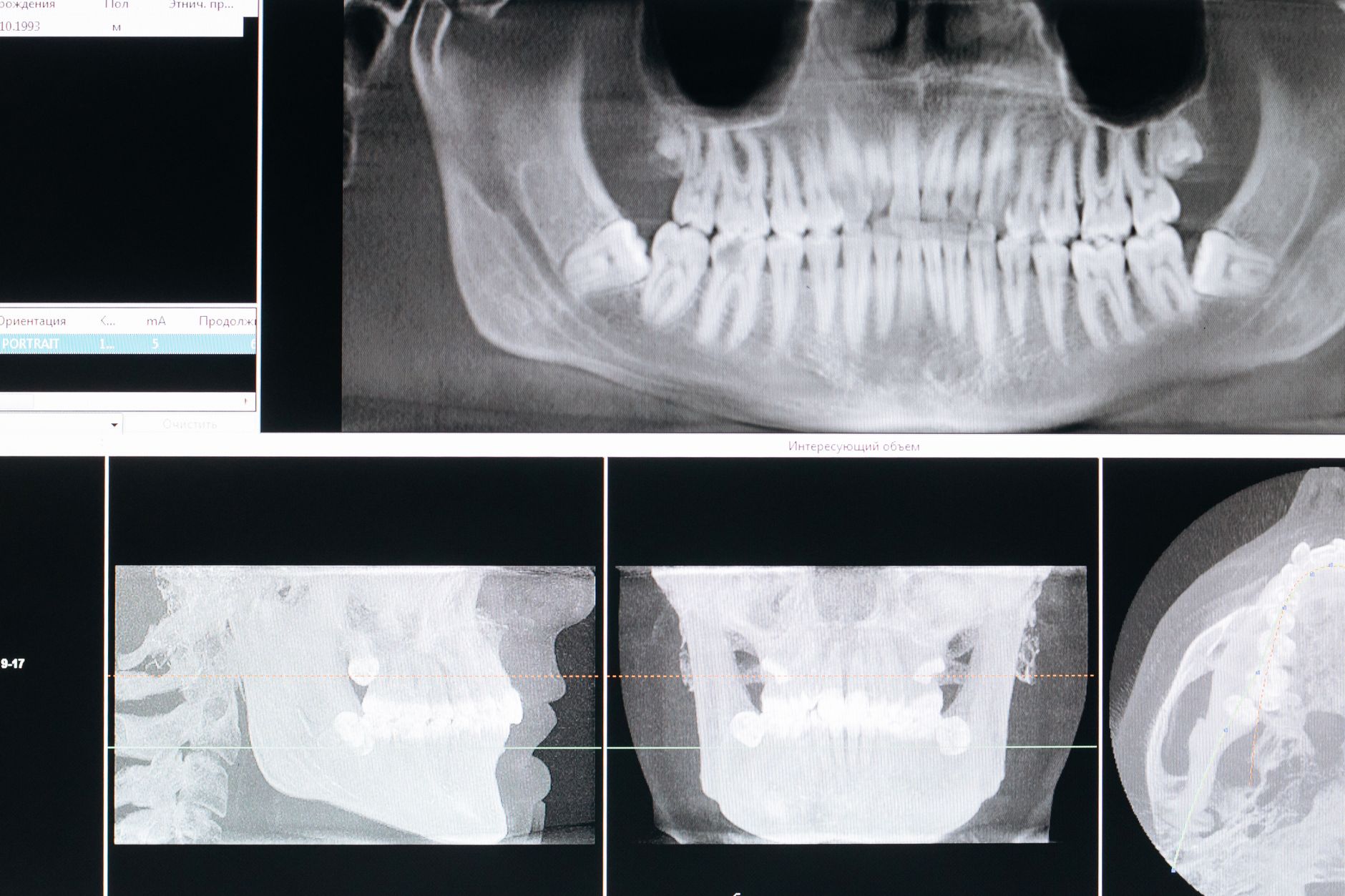
Your dentist examines the area and takes a panoramic X-ray. When the tooth lies close to the inferior alveolar nerve in the lower jaw, a 3D cone-beam CT scan can show the exact relationship. The decision weighs symptoms, risk of future disease, your age and general health, and the risk of surgery for that specific tooth.
Preparing for surgery
- Tell the surgeon about all medicines, especially blood thinners, and any allergies.
- Follow fasting instructions if sedation or general anaesthesia is planned.
- Arrange a lift home and time to rest for the first day.
- Have soft foods, cold packs and prescribed medicines ready at home.
Recovery timeline
Swelling and discomfort normally peak around the second or third day and then fade. Most people return to normal daily activity within a few days, while full gum healing takes a few weeks and bone remodelling several months. Follow your surgeon’s instructions on diet, rinsing and medicines.
Common mistakes and myths
- Waiting until severe infection develops, which makes surgery harder and recovery slower.
- Assuming that a lack of pain means a wisdom tooth is healthy; impacted teeth can cause damage without symptoms.
- Assuming every wisdom tooth must be removed; many do not need surgery.
- Skipping the X-ray, which shows the position of roots and nerves and is essential for planning.
- Ignoring aftercare instructions, which raises the risk of dry socket and infection.
When to see a specialist
Your general dentist can remove many wisdom teeth. You may be referred to an oral and maxillofacial surgeon if the tooth lies deep, is close to a nerve or the sinus, if you have medical conditions that need special care, or if sedation or general anaesthesia is preferred.
Key takeaways
- Impacted wisdom teeth do not always need removal, but recurring infection, decay or cysts are strong reasons.
- Imaging guides the decision and the surgical plan.
- Most people recover within days, with full healing over a few weeks.
- Good aftercare lowers the risk of complications.
Frequently asked questions
Is wisdom tooth removal painful?
The procedure is done under anaesthesia, so you should feel pressure but not pain. Discomfort afterwards is usually controlled with prescribed or over-the-counter pain relief.
Do I need to remove a wisdom tooth that does not hurt?
Not always. If it is healthy, can be kept clean and shows no sign of disease on X-rays, many clinicians monitor it. Your dentist will advise based on your situation.
Can nerve damage happen?
Lower wisdom teeth can lie close to nerves that supply the lip, chin and tongue. Temporary numbness can occur in a small percentage of patients; lasting injury is uncommon. Imaging helps the surgeon plan to reduce this risk.
Can all four teeth be removed at once?
Sometimes, especially under general anaesthesia or sedation, but your surgeon will recommend what is safest for your case.
When can I eat normally again?
Most people begin with soft foods and gradually return to normal eating over about a week, depending on how the area feels and your surgeon’s advice.
This article is for general education and does not replace an examination by a dentist or oral surgeon. If you have severe pain, swelling that is spreading, fever, or difficulty swallowing or breathing, seek urgent care.