






















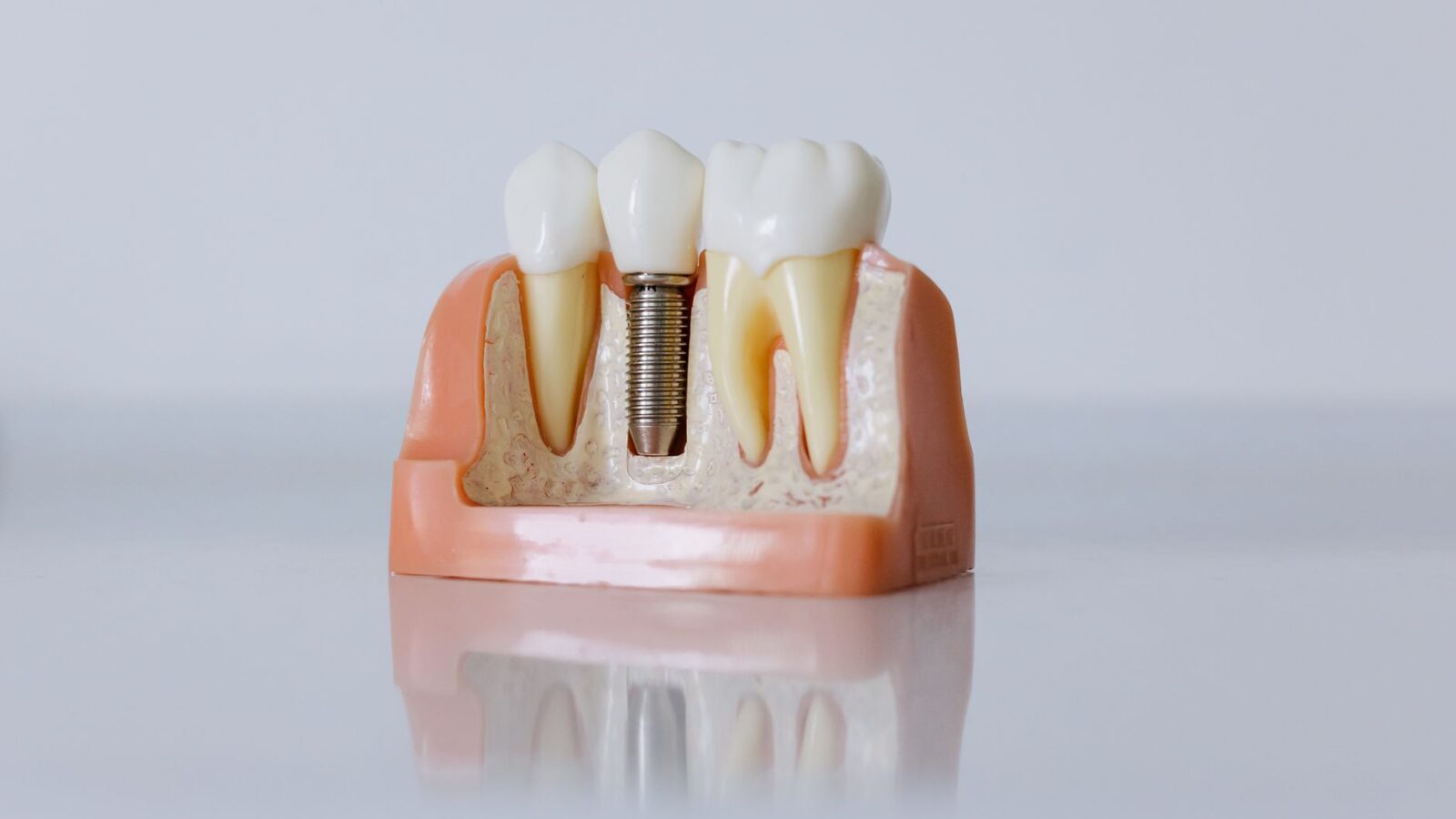
A dental implant is a titanium or ceramic post placed in the jawbone to replace the root of a missing tooth. After it integrates with the bone, a crown, bridge or denture can be attached to it. Implants have high long-term success rates when patients are chosen carefully and cared for well.
What makes a good candidate
- Healthy gums, with periodontal disease treated and under control.
- Enough jawbone height and width, or the possibility of bone grafting.
- Good oral hygiene and regular dental check-ups.
- Not smoking, or willingness to stop, because smoking raises the risk of failure.
- General health that allows minor oral surgery.
Conditions that need extra care
Uncontrolled diabetes, a history of head and neck radiotherapy, certain bone-strengthening medicines (such as bisphosphonates), heavy smoking and untreated gum disease all increase risk. These do not always rule out implants, but they need discussion with your dentist and sometimes your doctor.
How the assessment works
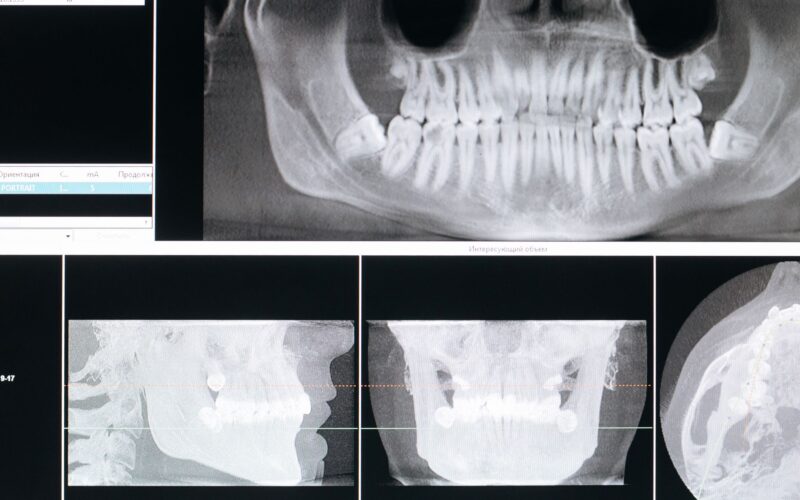
Your dentist will review your medical history, examine your mouth and take X-rays, often including a 3D cone-beam scan. This shows the bone, the position of nerves and the sinus, and allows precise planning of the implant position.
How long does it take
Healing of the implant in the bone usually takes about 3 to 6 months, though some cases allow earlier loading. If a bone graft or sinus lift is needed first, the total treatment time is longer.
Care after treatment
Implants need the same daily cleaning as natural teeth, including brushing and interdental cleaning, plus regular professional maintenance. Gum inflammation around an implant (peri-implantitis) can lead to bone loss, so early review of any bleeding or swelling is important.
Parts of a dental implant
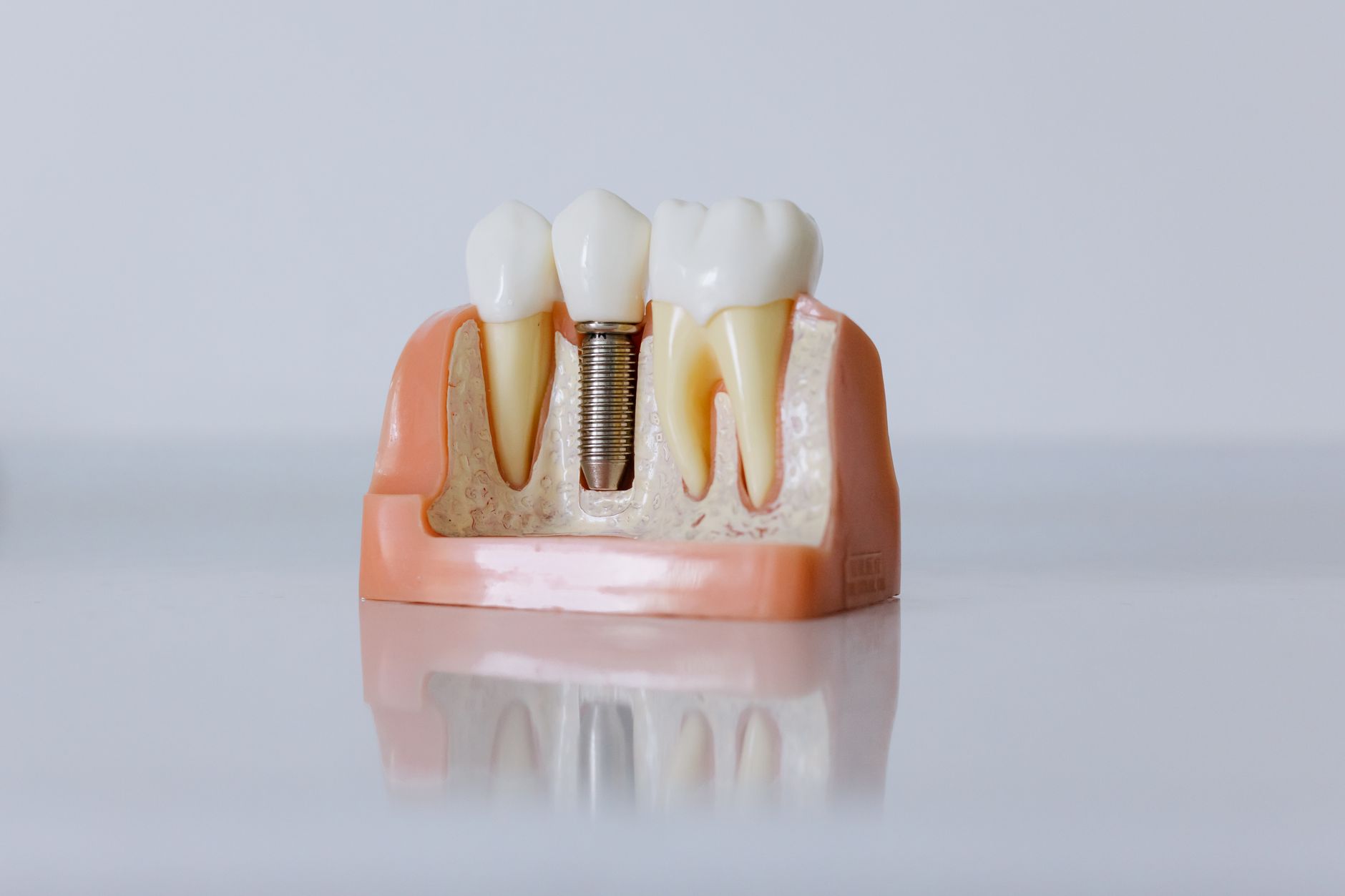
An implant system has three parts: the implant fixture placed in the bone, the abutment that connects through the gum, and the crown that you see. Together they replace both the root and the visible tooth.
Materials
Most implants are made of titanium, which bonds well with bone (osseointegration). Zirconia (ceramic) implants are an alternative used in selected cases, for example for people who want a metal-free option, but long-term evidence is more limited than for titanium.
Typical steps of treatment
- Consultation, medical history, examination and 3D imaging.
- Treatment planning, including whether bone grafting or a sinus lift is needed.
- Placement of the implant under local anaesthesia, sometimes with sedation.
- Healing period while the implant integrates with the bone.
- Placement of the abutment and the final crown, bridge or denture.
- Regular maintenance visits and daily cleaning.
Single tooth, several teeth or full arch
One implant can replace a single tooth. Several implants can support a bridge. For people who have lost all their teeth, an implant-supported full-arch bridge or overdenture can be fixed on a small number of implants.
What affects the cost
Costs depend on the number of implants, any bone grafting or sinus lift, the type of crown, the clinician’s experience and the country. Ask for a written plan listing every stage so you can compare options fairly.
Alternatives
- A fixed bridge supported by neighbouring teeth.
- A removable partial or complete denture.
- Leaving the space, which is sometimes acceptable for a rear tooth but may allow drifting of nearby teeth.
Common mistakes and myths
- Believing that implants never need care; they need daily cleaning and regular reviews.
- Choosing a clinic by price alone without checking the plan, materials and the clinician’s experience.
- Continuing to smoke, which significantly raises the risk of implant failure.
- Delaying treatment of gum disease before implant surgery.
- Assuming that anyone with missing teeth can have an implant immediately without imaging.
When to see a specialist
Simple cases can be treated by a trained general dentist. Complex cases, such as multiple missing teeth, bone grafting, sinus lifts or medical risk factors, are often referred to an oral and maxillofacial surgeon or a periodontist, who plan the surgery together with the restorative dentist.
Key takeaways
- Candidates need healthy gums, enough bone and good oral hygiene.
- Smoking and uncontrolled diabetes increase risk.
- Treatment is staged and takes months.
- Long-term success depends on maintenance as much as on surgery.
Frequently asked questions
Is the implant procedure painful?
Placement is done under local anaesthesia. Afterwards there may be soreness and swelling for a few days that is usually managed with simple painkillers.
How long do dental implants last?
With good hygiene and regular reviews, many implants function for decades. Lifespan depends on bone quality, gum health, smoking, bite forces and maintenance.
Can I have an implant on the same day as extraction?
In selected cases, yes. Immediate placement requires enough bone, no active infection and good stability, which your surgeon will assess.
Is there an age limit?
There is no fixed upper limit; general health and bone matter more than age. Implants are usually delayed in teenagers until jaw growth is complete.
Can an implant fail?
Yes. Early failure may occur if the implant does not integrate, and late problems can arise from gum infection around the implant (peri-implantitis). Good hygiene, not smoking and regular check-ups reduce risk.
This article is for general education and does not replace an examination by a dentist or oral surgeon. If you have severe pain, swelling that is spreading, fever, or difficulty swallowing or breathing, seek urgent care.