























Key points
- Dry socket is not an infection. It happens when the blood clot protecting the healing socket is lost or breaks down, leaving bone exposed.
- Pain typically starts two to four days after the extraction, not immediately, and often spreads to the ear, temple or jaw on the same side.
- It follows roughly 1-4% of routine extractions, but up to about 30% of surgically removed lower wisdom teeth.
- Smoking is the strongest modifiable risk factor; stopping for at least 48-72 hours around the procedure measurably lowers the risk.
- Treatment is cleaning the socket and placing a medicated dressing, with pain relief. Antibiotics are not the treatment and are not routinely needed.
Most tooth extractions heal uneventfully, with discomfort that peaks on the first day and fades steadily after that. Dry socket breaks that pattern: the pain eases as expected, then returns on the second or third day, worse than before and poorly controlled by ordinary painkillers. It is the most common complication after a tooth is removed, and it is also one of the most treatable – provided it is recognised for what it is.
What dry socket actually is
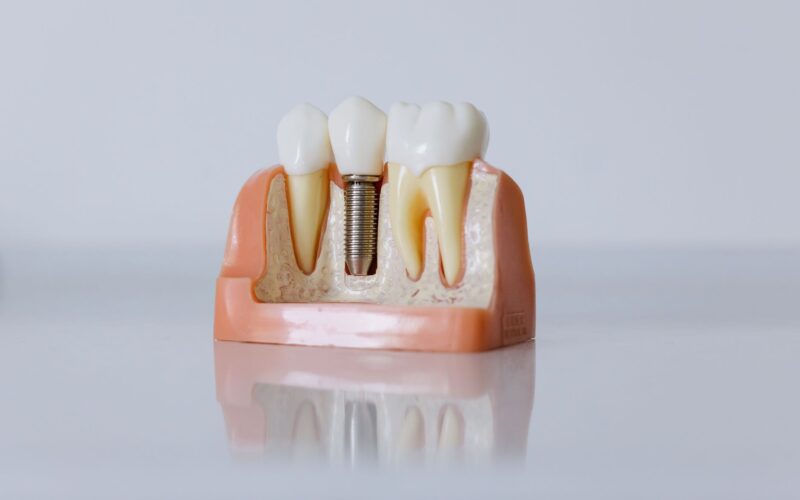
When a tooth is removed, blood fills the socket and forms a clot. That clot is a temporary dressing: it covers exposed bone and nerve endings and provides the scaffold on which new tissue grows. In dry socket – properly called alveolar osteitis – the clot is lost, or disintegrates before it has done its job, within the first few days.
The exposed bone is extremely sensitive, which is why the pain is disproportionate to how the socket looks. Importantly, this is a failure of healing rather than an infection, and that distinction drives the whole of management.
How common it is, and who gets it
After a straightforward extraction, dry socket affects somewhere around 1 to 4 in 100 people. The figure rises sharply for surgical removal of impacted lower wisdom teeth, where reported rates reach 20-30%.
Risk is higher if you:
- smoke, particularly in the first 48-72 hours after the extraction;
- had a lower back tooth removed, especially a surgically extracted wisdom tooth;
- had a long or difficult extraction with more surgical trauma;
- have had dry socket before;
- had active infection or pericoronitis around the tooth beforehand;
- take a combined oral contraceptive;
- rinse forcefully, spit repeatedly or drink through a straw in the first 24 hours.
What it feels like
The pattern matters more than any single symptom. Pain after a normal extraction is worst on day one and improves day by day. In dry socket it improves, then returns on day two to four as a deep, throbbing ache that radiates towards the ear, temple or eye on the same side and is not well controlled by paracetamol or ibuprofen.
Alongside the pain, people often notice a bad taste or smell, and the socket may look empty or greyish rather than filled with a dark clot. Fever, facial swelling and pus are not features of dry socket – they point to infection, which is a different problem.
How it is diagnosed
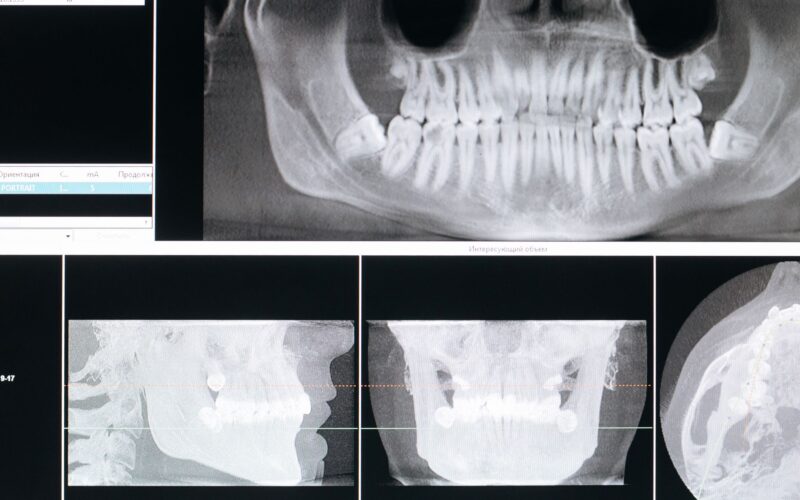
Diagnosis is clinical. A dentist or oral surgeon takes the history – above all the timing of the pain – and examines the socket for a missing clot and exposed bone. An X-ray is not needed to diagnose dry socket itself, but it may be taken to rule out a retained root fragment or a piece of bone, which can cause similar persistent pain.
How it is treated
Treatment is simple, done in the chair, and usually brings relief quickly.
- Irrigation: the socket is gently flushed, most often with warm saline, to remove debris and food.
- Medicated dressing: a dressing, commonly containing eugenol, is placed into the socket. It soothes the exposed bone and acts as a physical barrier.
- Pain relief: an anti-inflammatory such as ibuprofen, where suitable for you, usually works better than paracetamol alone.
- Review: the dressing is changed every one to three days until the pain settles, typically over about a week.
Two points are worth stating plainly. Antibiotics do not treat dry socket, because there is no infection to treat; prescribing them adds side effects and resistance without shortening the episode. And the socket still heals on its own – dry socket delays comfort, not healing, and the gum closes over within one to two weeks either way.
Lowering the risk
Some risk is built into the extraction itself, but a meaningful part is in your hands.
- Do not smoke for at least 48-72 hours afterwards – longer is better. Both the suction and the chemistry of smoke work against the clot.
- No straws, no spitting, no vigorous rinsing for the first 24 hours. Let saliva fall from your mouth rather than spitting.
- From day two, rinse gently with warm salty water after meals.
- Keep the rest of your mouth clean; brush normally, avoiding the socket itself.
- Tell your dentist beforehand if you have had dry socket previously – a chlorhexidine rinse or gel used around the procedure reduces the risk, and is worth discussing.
- Eat soft food and avoid chewing on that side for a few days.
When to seek help urgently
Contact your dentist or oral surgeon promptly if you have fever, spreading swelling of the face or neck, difficulty swallowing or opening your mouth, bleeding that does not stop with firm pressure on a gauze pad, or numbness that persists well beyond the expected duration of the anaesthetic. Difficulty breathing or swallowing warrants emergency care rather than a routine appointment.
Frequently asked questions
How long does dry socket last?
With treatment, the severe pain usually eases within a day or two of the first dressing, and the episode resolves over about seven days. Untreated, it can drag on for one to two weeks.
Can dry socket heal on its own?
Yes. The socket will close regardless. The reason to be seen is pain: a dressing shortens days of severe discomfort to hours, and it also allows a clinician to confirm the diagnosis rather than miss a retained fragment or an infection.
Is dry socket an infection?
No. It is loss of the protective blood clot with exposure of bone. That is why antibiotics are not part of standard treatment, and why fever and facial swelling should prompt a reassessment for a different problem.
When can I smoke again after an extraction?
At minimum, wait 48-72 hours; the risk falls further the longer you leave it. If stopping altogether is on your mind, the days after an extraction are a reasonable place to begin, and your dental team can point you to support.
Does dry socket happen after wisdom tooth removal more often?
Considerably more often. Surgically removed impacted lower wisdom teeth carry the highest reported rates, which is why aftercare instructions are strictest for those extractions.
References
- NHS. Tooth extraction – recovery and aftercare. nhs.uk
- NICE Clinical Knowledge Summaries. Dry socket (alveolar osteitis) – management. cks.nice.org.uk
- Daly BJM, et al. Local interventions for the management of alveolar osteitis (dry socket). Cochrane Database of Systematic Reviews. cochranelibrary.com