






















Key points
- Orthognathic surgery corrects the position of the jaws when braces alone cannot fix the bite.
- Treatment combines orthodontics before and after surgery with 3D virtual planning.
- Surgery is performed mostly through the mouth under general anaesthesia, so facial scars are rare.
- Swelling settles over several weeks; temporary lip or chin numbness is common after lower-jaw surgery.
Orthognathic surgery corrects the position of the upper jaw, the lower jaw or both, so that the teeth meet properly and the face is balanced. It is usually carried out by an oral and maxillofacial surgeon working closely with an orthodontist.
Who may need it
Surgery is considered when the jaws themselves are misaligned and the problem cannot be corrected by orthodontic treatment alone. Typical reasons include a pronounced underbite or overbite, an open bite where the front teeth do not touch, facial asymmetry, difficulty chewing or biting, and in some cases breathing problems during sleep linked to jaw position. Treatment is normally planned after facial growth is complete.
The treatment journey
- Orthodontic preparation: braces or aligners straighten the teeth within each jaw, often for 12 to 18 months.
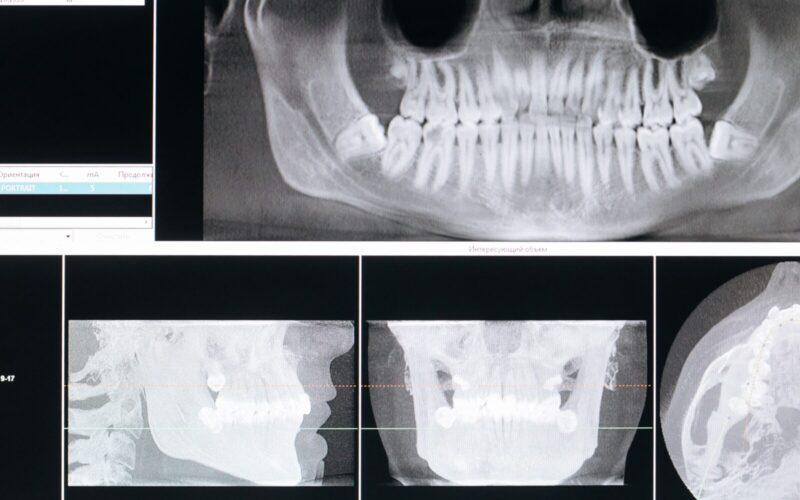
- Virtual planning: 3D scans and digital models allow the team to simulate the movement of each jaw and produce surgical guides.
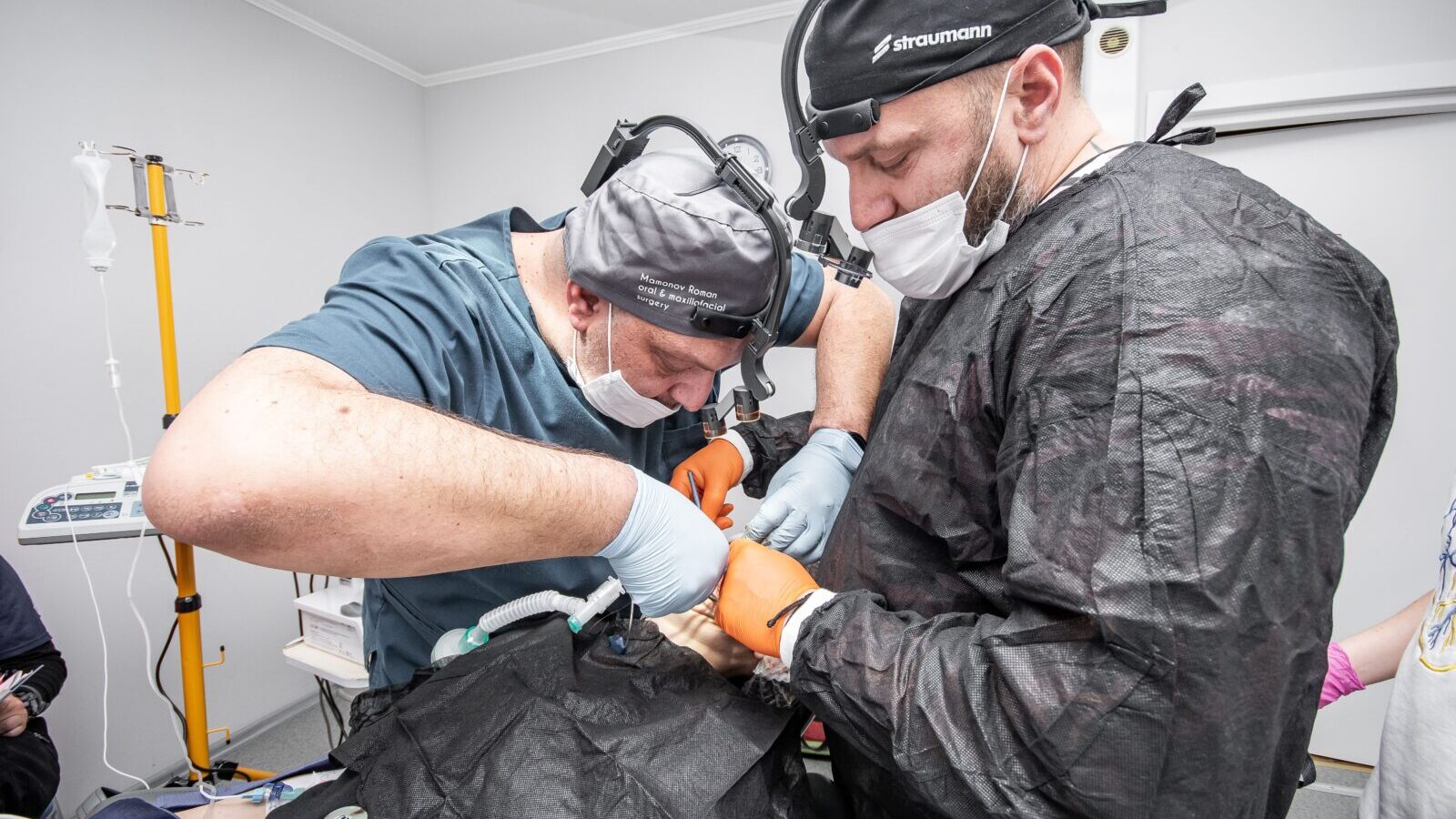
- Surgery: performed under general anaesthesia, mostly from inside the mouth, so visible scars on the face are rare. The bones are repositioned and fixed with small titanium plates and screws.
- Finishing orthodontics: a shorter phase after surgery to refine the bite.
Recovery
A hospital stay of one or two nights is common. Swelling is most noticeable in the first week and gradually settles over several weeks. A soft diet is needed for a period set by the surgeon. Temporary numbness of the lips or chin is frequent after lower jaw surgery and usually improves over months; in some people it can be permanent, which is why this risk is discussed in detail beforehand.
What to expect from the result
Beyond appearance, the main goals are a stable, functional bite, comfortable chewing and long-term dental health. A thorough consultation, realistic expectations and close cooperation between surgeon and orthodontist are key to a good outcome.
Frequently asked questions
At what age can jaw surgery be done?
Usually after facial growth has finished — typically in the late teens for women and around 18–21 for men.
How long is the recovery after orthognathic surgery?
Most patients return to study or desk work in 2–3 weeks; a soft diet is needed for several weeks, and the bone heals fully in about 3 months.
Is jaw surgery only cosmetic?
No. Its main goals are a functional, stable bite and comfortable chewing; improved facial balance is an additional benefit.
Last medically reviewed: November 2026.