






















What the study found
Researchers tested 212 plant-based products bought from five major British retailers and found at least one of 19 fungal toxins in every single sample. Many products contained several at once.
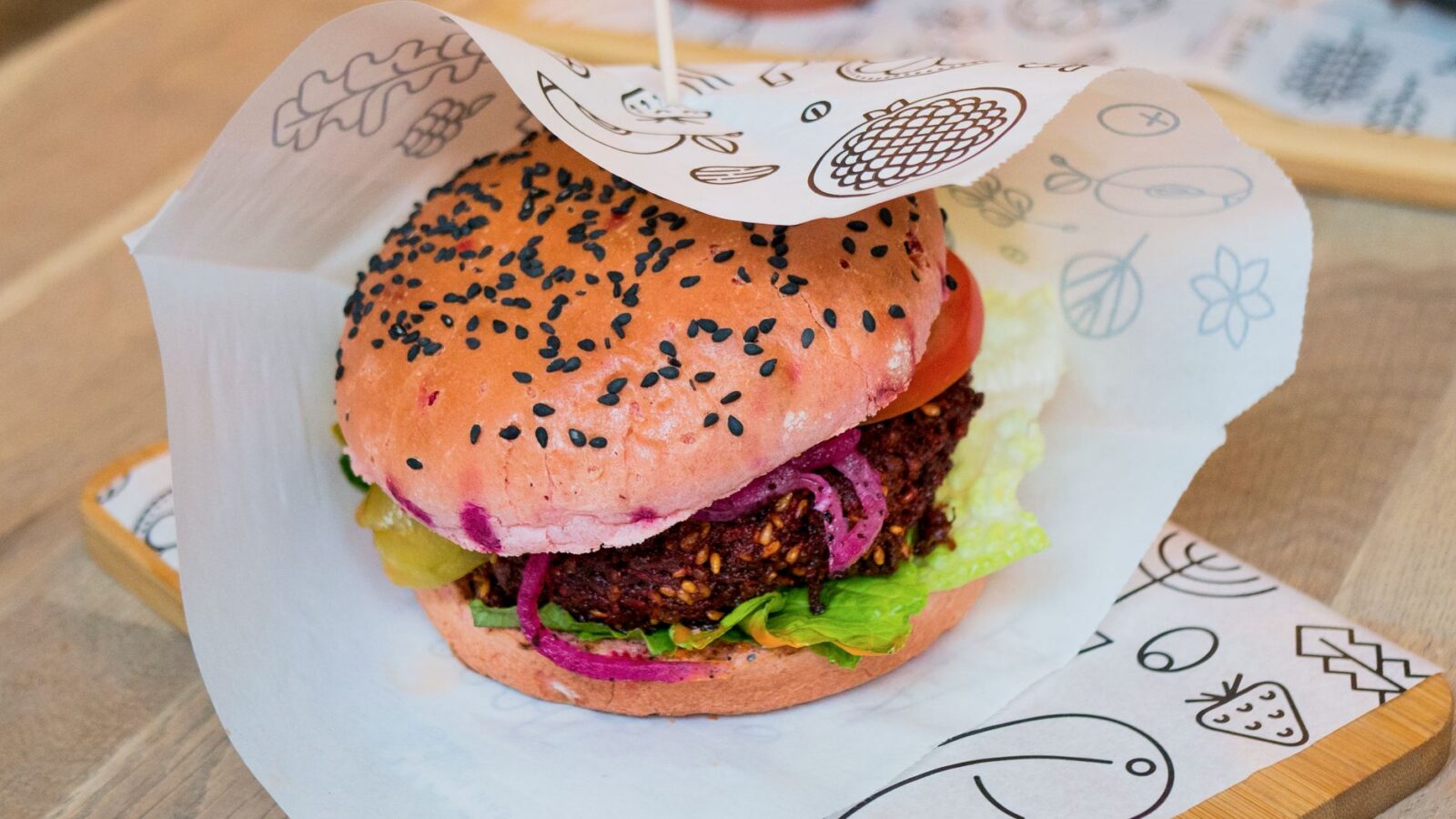
The products covered 92 plant-based meat alternatives – vegan burgers, sausages and vegetarian chicken pieces – and 120 plant-based drinks, including oat, almond and soy milks. Meat substitutes carried the higher concentrations.
What mycotoxins are
Mycotoxins are chemical compounds produced by moulds that grow on crops such as grains, legumes and seeds, in the field or during storage. They are not the mould itself, and they are not destroyed by ordinary cooking. Depending on the toxin and the dose, chronic exposure has been linked to liver and kidney injury and to effects on the immune system.
The ingredients used to build plant-based products – soy, pea protein, oats and other cereals – are exactly the crops most prone to fungal contamination, which is why the research group looked at this category.
The result in proportion
Every concentration measured fell below European Union guideline limits. The study does not show that these foods cause illness at the levels detected, and “present in every sample” is a statement about the sensitivity of modern laboratory methods as much as about contamination.
The gap the authors point to
The concern raised by the team, led by the University of Parma with Cranfield University, is not any single product but cumulative exposure. Limits are set toxin by toxin and food by food; nobody has assessed what a diet built largely from plant-based convenience products adds up to across many toxins and several daily servings.
They also note a regulatory blind spot: mycotoxin monitoring was designed around traditional commodities, and this fast-growing category of novel foods has no specific, established surveillance of its own.
What this means for doctors and students
- For clinicians: nothing here warrants telling patients to abandon plant-based eating, and the cardiovascular case for reducing processed red meat is unchanged. The practical message is variety – rotating protein sources and brands limits repeated exposure to any one contaminated supply chain.
- For patients who ask: whole foods such as lentils, beans and nuts sit lower in the processing chain than reformulated meat analogues, and a diet built mainly on them is the safer default for other reasons too.
- For dentists: worth remembering that plant-based drinks differ from dairy in more than toxin content – many are sweetened, and most are not fortified with calcium unless the label says so.
- For students: a useful case study in risk communication. “Detected in 100% of samples” and “all below regulatory limits” are both true, and a headline that carries only the first is accurate and still misleading.
Source: ScienceDaily / University of Parma and Cranfield University