






















Key facts
- A team at the University of Pennsylvania School of Dental Medicine tested extracts of bioengineered chewing gum on saliva and oral rinse samples from patients with head and neck cancer.
- Extract from gum made with the lablab-bean antiviral protein FRIL reduced HPV by 93% in saliva samples and by 80% in oral rinse samples.
- A version engineered to carry the antimicrobial peptide protegrin brought two cancer-linked bacteria, Porphyromonas gingivalis and Fusobacterium nucleatum, to almost undetectable levels after a single dose.
- The extracts did not reduce the beneficial bacteria the researchers examined.
What happened
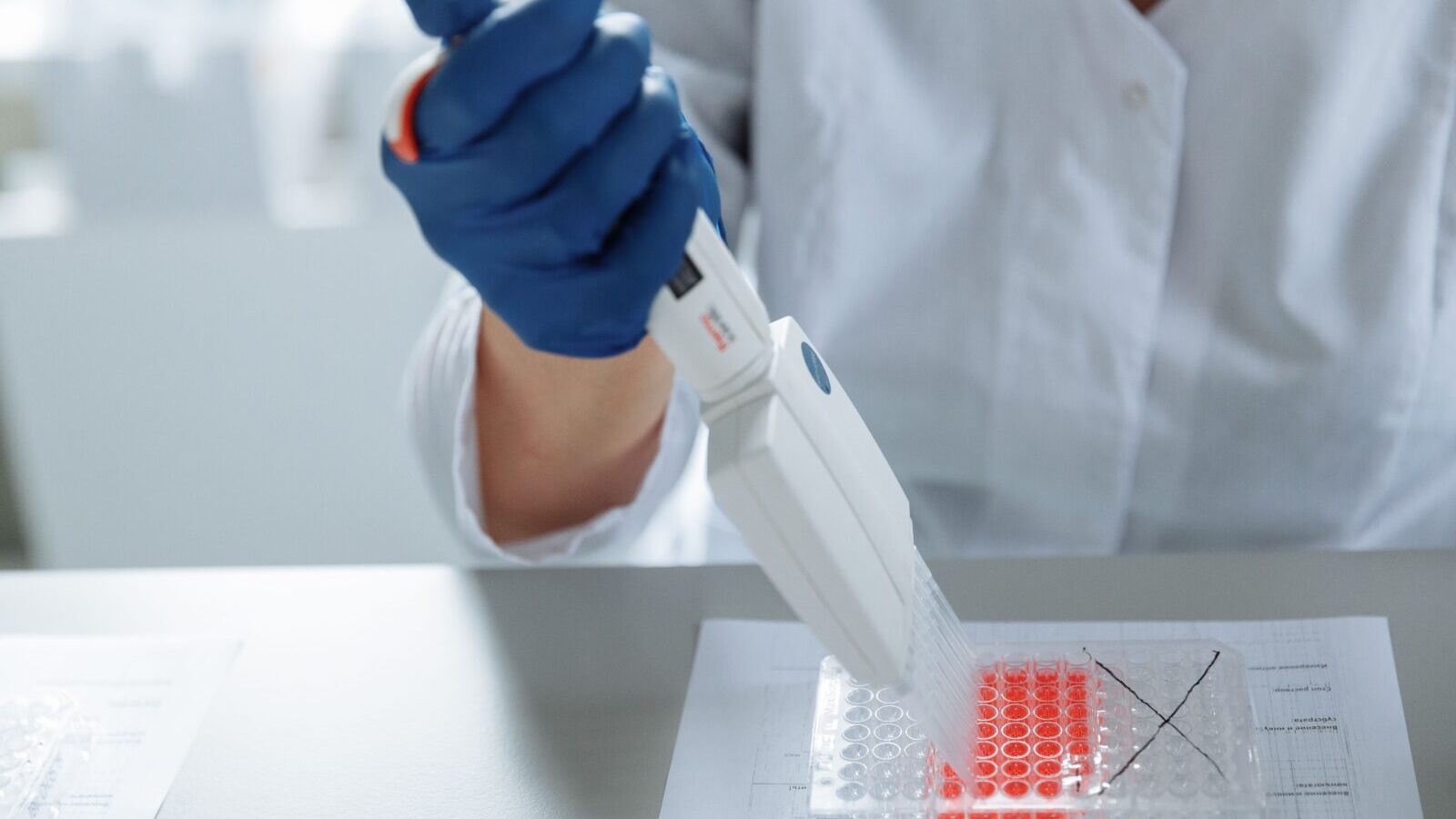
Henry Daniell and colleagues report the results in Scientific Reports (2026). The work was an ex vivo laboratory study: gum extracts were applied to patient-derived oral samples, and nobody chewed the gum. The team tested one gum containing the plant protein FRIL, which targets viruses, and a second version enriched with protegrin, a peptide that attacks bacteria.
Why it matters
HPV and certain oral bacteria are among the microbes linked to head and neck cancer. A chewing gum is a cheap, non-invasive way to bring an active ingredient into the mouth, so the approach could, in principle, be explored as a way to lower the microbial burden in people at risk.
Context
This is early, laboratory-stage evidence. The university release does not report how many patients or samples were used, and there is no evidence yet that chewing the gum prevents or treats cancer in people. The effects still have to be confirmed in the human mouth in clinical studies.
What it means for clinicians and students
- Clinicians: no change in practice; HPV vaccination, screening and oral cancer examination remain the established tools.
- Dental and oral surgery teams: a reminder that the oral microbiome is an active research target in head and neck oncology.
- Students: a good example of the gap between an ex vivo result and a clinical benefit.
Source: Daniell H, et al. Ex vivo HNSCC clinical studies using saliva and antiviral or antibacterial chewing gums reveal reduction in carcinogenic microbes. Scientific Reports, 2026 (DOI 10.1038/s41598-026-39062-w); University of Pennsylvania School of Dental Medicine, reported by ScienceDaily, 10 November 2026.
Source: ScienceDaily / University of Pennsylvania School of Dental Medicine (Scientific Reports)