






















Key points
- TMJ disorders affect the jaw joints and chewing muscles and cause pain, clicking, limited opening or locking.
- A painless click with normal movement is common and usually needs no treatment.
- Most cases improve within weeks to months with simple, conservative care.
- Self-care, jaw exercises, a night splint and treating clenching are the first-line approach.
- Injections, arthrocentesis and surgery are reserved for selected patients who do not improve.
Jaw pain and clicking are most often caused by temporomandibular disorders (TMD), and most people get better with simple measures rather than surgery. This guide explains the causes, the self-care that works, what a specialist can offer and the warning signs that need prompt attention.
What is the temporomandibular joint?
The two temporomandibular joints (TMJs) connect the lower jaw to the skull just in front of the ears. Each joint contains a small cartilage disc that lets the jaw glide and rotate smoothly when you speak, chew and yawn. The joints work together with strong chewing muscles in the cheeks and temples. Temporomandibular disorders are a group of conditions that cause pain or dysfunction in these joints, the muscles, or both.
Symptoms of TMJ disorders
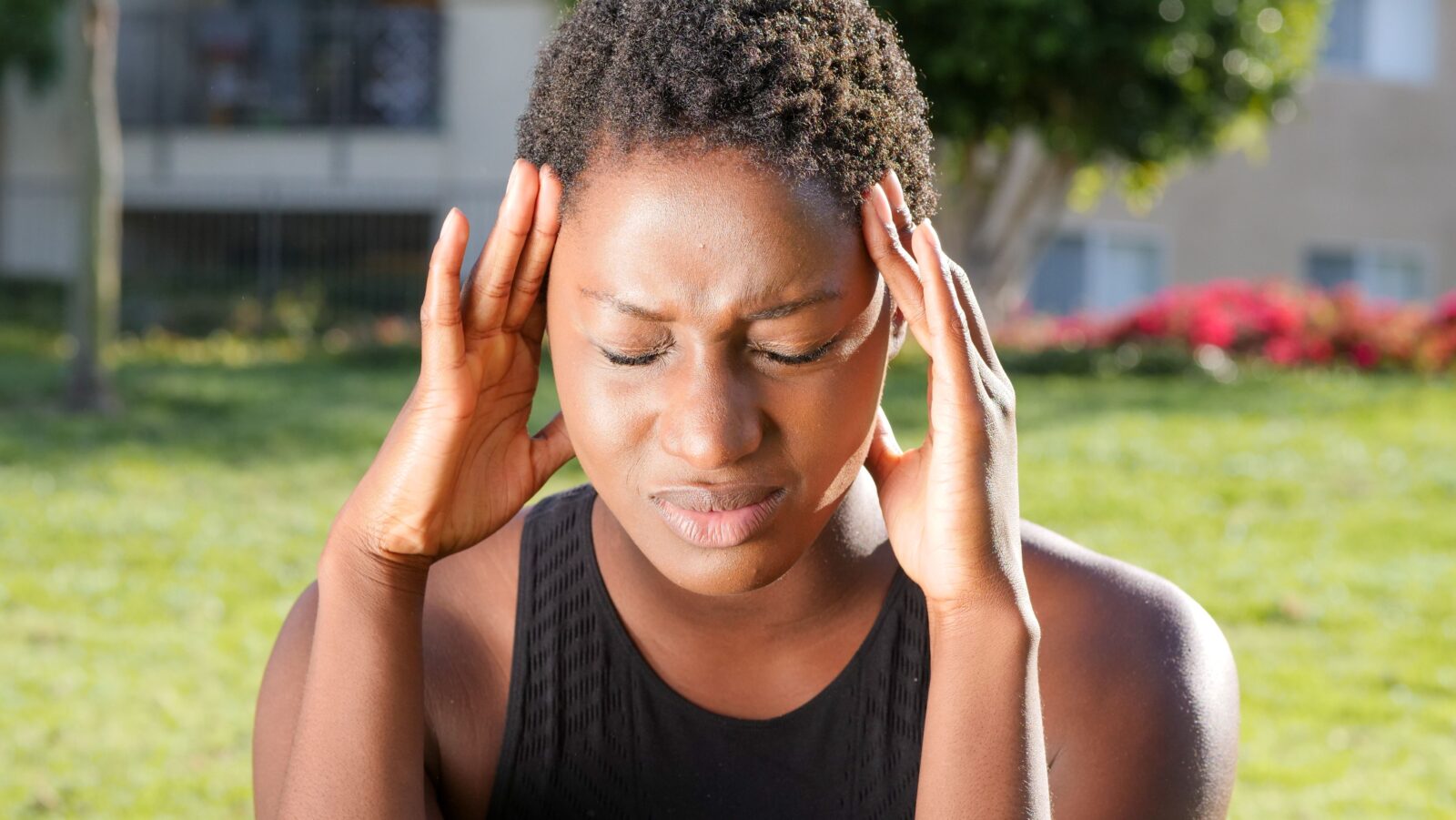
- Pain in the jaw, in front of the ear, in the temples or in the face, often worse when chewing.
- Clicking, popping or grating sounds when opening or closing.
- Limited opening, or a jaw that deviates to one side.
- The jaw “locking” closed or, less often, open.
- Headaches, ear fullness or aching teeth without a dental cause.
A click on its own, without pain or restricted movement, is very common and is not a reason for treatment.
What causes it?
Several factors often combine:
- Muscle overload from clenching or grinding (bruxism), gum chewing or nail biting.
- Stress and poor sleep, which increase muscle tension and pain sensitivity.
- Disc displacement, when the disc slips forward and causes clicking or locking.
- Arthritis of the joint, including osteoarthritis and inflammatory arthritis.
- Injury, such as a blow to the jaw or a very wide opening.
Who is more likely to develop TMJ problems?
TMD is most common between the ages of 20 and 40 and affects women more often than men. People who clench or grind their teeth, have frequent headaches, poor sleep, high stress levels, or other chronic pain conditions such as fibromyalgia are at higher risk. Previous jaw injuries and joint hypermobility also increase the likelihood of symptoms.
Is it TMJ or something else?
Several other conditions can feel like jaw joint pain, so an examination is important:
| Condition | Clues |
|---|---|
| Dental infection or cracked tooth | Pain localised to one tooth, sensitivity to hot, cold or biting |
| Ear infection | Ear pain with discharge, fever or hearing changes |
| Sinusitis | Pain in the cheeks and upper teeth, nasal congestion |
| Trigeminal neuralgia | Sudden, electric-shock pain triggered by light touch |
| Heart-related pain | Jaw pain with chest discomfort, breathlessness or sweating — call emergency services |
How it is diagnosed
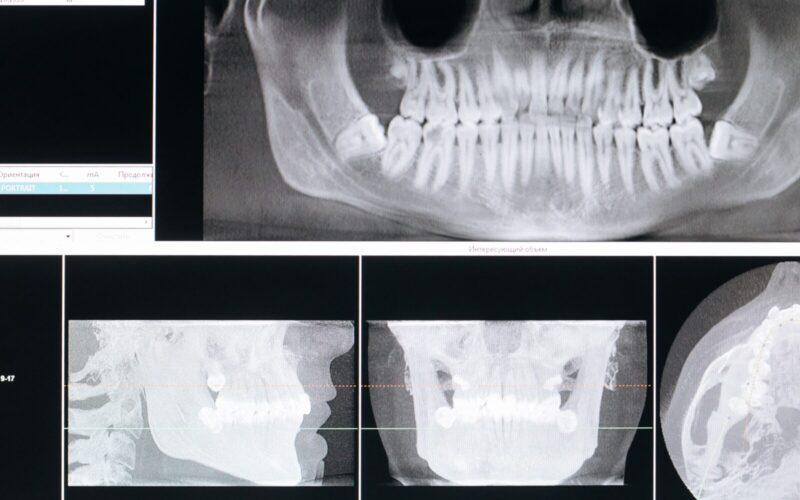
Diagnosis is mainly clinical. A dentist or oral and maxillofacial surgeon asks about symptoms, measures how wide the mouth opens, listens for joint sounds and presses on the muscles and joints. Imaging is not needed for most people. A panoramic X-ray may be taken to rule out dental causes, and MRI or CBCT is used when locking, suspected arthritis or other joint problems need a closer look.
Self-care that works
- Rest the jaw: soft diet for a short period, small bites, no gum and avoid very wide yawning.
- Heat or cold: warm compresses for muscle pain; cold packs after a flare.
- Gentle exercises: controlled opening and closing, and stretching taught by a dentist or physiotherapist.
- Posture and habits: keep “lips together, teeth apart” during the day and avoid resting the chin on the hand.
- Short-term pain relief: over-the-counter anti-inflammatories when appropriate and as advised.
- Stress and sleep: relaxation techniques and good sleep habits reduce clenching.
Treatment options from a specialist
| Treatment | When it is used |
|---|---|
| Occlusal splint (night guard) | Clenching or grinding, muscle pain; protects teeth and reduces load |
| Physiotherapy | Stiffness, limited opening, muscle pain |
| Medication | Short courses for pain, muscle spasm or sleep, as prescribed |
| Botulinum toxin | Selected cases of severe muscle pain or clenching |
| Arthrocentesis (joint washing) | Closed lock or persistent joint pain despite conservative care |
| Arthroscopy or open surgery | Rare; specific joint problems that do not respond to other treatment |
Irreversible treatments such as grinding down healthy teeth to change the bite are not recommended for TMD.
Living with TMD: a simple daily routine
Small daily habits make a real difference. Check your jaw position several times a day and relax it; do your prescribed exercises at the same times each day; wear your splint every night if one was made for you; avoid chewing gum and very tough foods during flares; and build regular breaks into long periods of screen work, which often increase clenching. Keeping a short pain diary for two weeks can help you and your dentist identify triggers.
When to see a specialist
See a dentist or oral and maxillofacial surgeon if pain lasts more than a few weeks, if opening is limited, if the jaw locks, or if chewing becomes difficult. Seek urgent care for swelling of the face, fever, numbness, sudden change in the bite after an injury, or a jaw that is locked open and cannot be closed.
Related reading: Teeth grinding (bruxism) · Wisdom teeth removal.
Frequently asked questions
Does jaw clicking mean I need treatment?
Not if it is painless and the jaw moves normally. Treatment is aimed at pain or restricted movement.
How long does TMJ pain last?
Most episodes improve within weeks to a few months with conservative care. Some people have flares that come and go.
Can TMJ problems cause headaches and ear pain?
Yes. Pain from the jaw muscles and joint often spreads to the temples and around the ear.
Does a night guard cure TMJ disorders?
A splint does not cure the condition, but it reduces muscle load and protects the teeth, which often eases pain.
Will I need surgery?
Very few people do. Surgery is considered only for specific joint problems that do not respond to other treatment.
Can stress cause jaw pain?
Stress increases clenching and muscle tension and lowers pain tolerance, so it often plays an important role.
Last medically reviewed: November 2026.
References
- National Institute of Dental and Craniofacial Research — TMJ disorders.
- American Association of Oral and Maxillofacial Surgeons — TMJ disorders.
- Schiffman E et al. Diagnostic Criteria for Temporomandibular Disorders (DC/TMD). J Oral Facial Pain Headache. 2014.