






















Key points
- An implant needs enough bone height and width to be stable and look natural.
- Bone shrinks after tooth loss, especially in the first months; grafting rebuilds it.
- Common techniques: socket preservation, guided bone regeneration, sinus lift and block grafts.
- Healing after a graft usually takes about 3–6 months; smoking and uncontrolled diabetes raise the risk of failure.
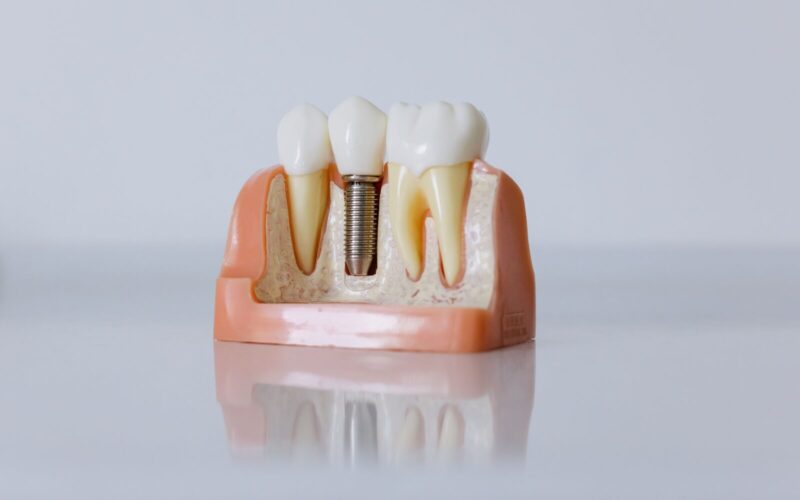
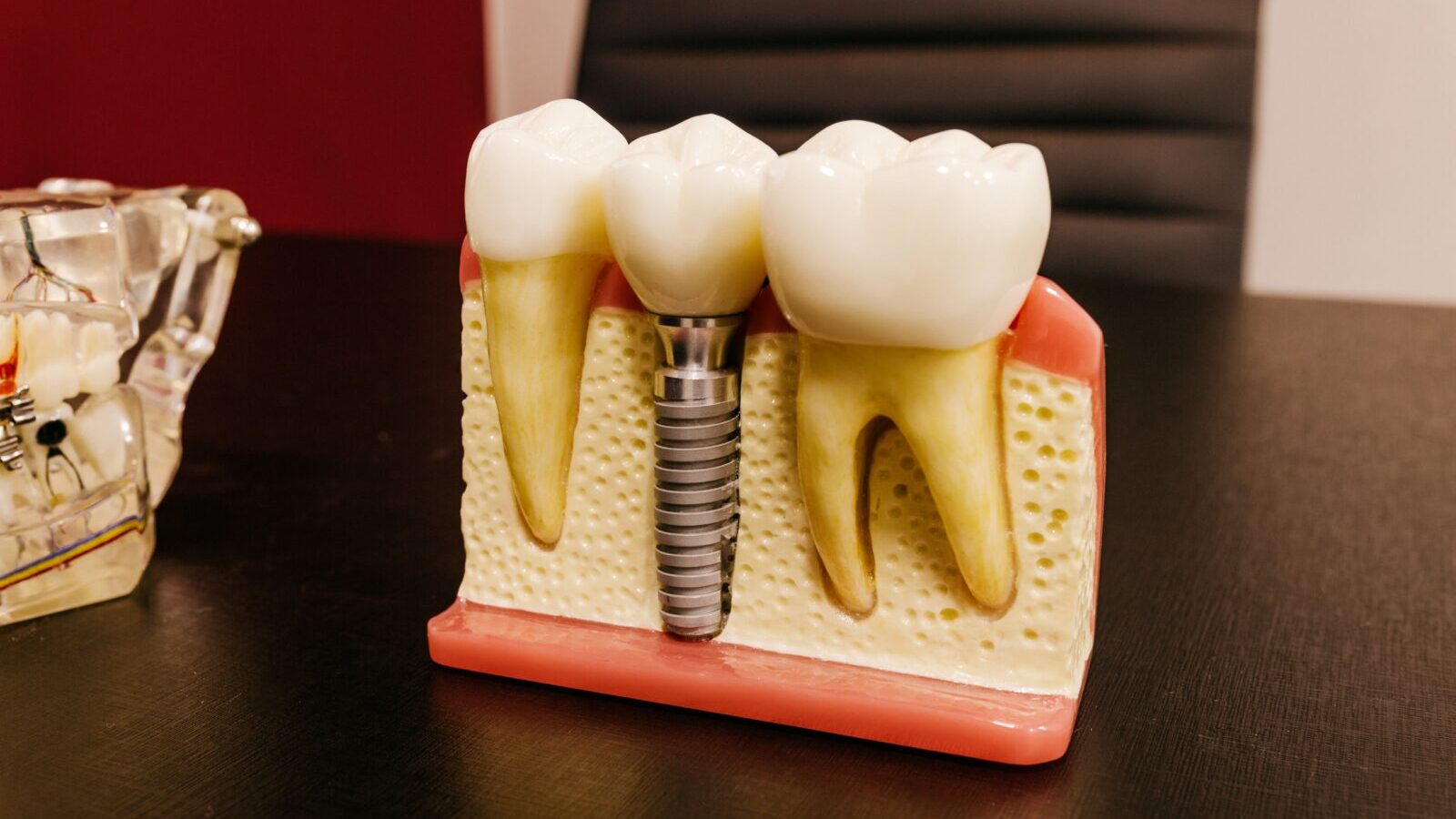
A dental implant is a small titanium or zirconia post placed in the jawbone to replace the root of a missing tooth. Over the following weeks the bone bonds to the implant surface, a process called osseointegration. A crown, bridge or denture is then attached on top.
Why bone volume matters
After a tooth is lost, the bone that supported it gradually shrinks, especially in the first months. Gum disease, long-standing infections, trauma or wearing a removable denture for years can reduce the bone further. An implant needs enough bone height and width around it to be stable, to last and to look natural. When the bone is too thin or too low, a graft is planned.
Common grafting techniques
- Socket preservation: bone graft material placed into the socket immediately after an extraction to limit shrinkage.
- Guided bone regeneration: graft material covered by a membrane to rebuild width or height in a specific area.
- Sinus lift: in the upper back jaw, the floor of the maxillary sinus is gently raised and bone is added beneath it.
- Block grafts: for larger defects, a piece of bone is fixed to the jaw to rebuild its shape.
Graft materials may come from the patient, from processed human or animal sources, or be synthetic. Your surgeon chooses based on the size of the defect and your health.
Planning and timeline
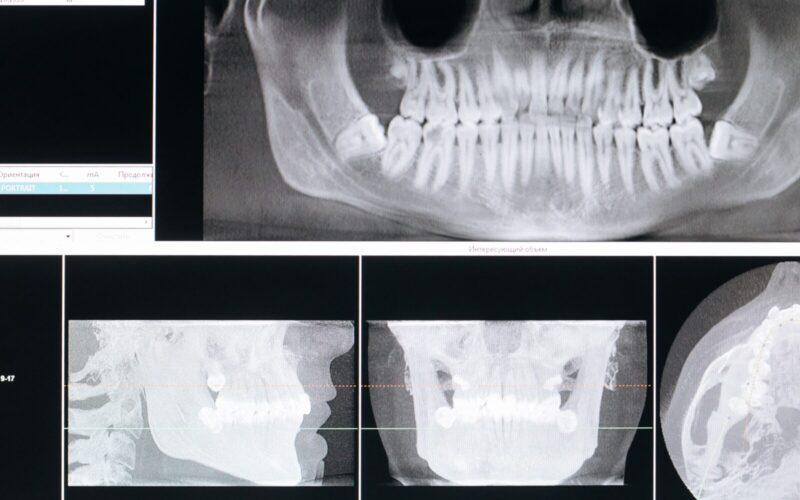
Modern planning uses a 3D scan (CBCT) to measure the bone and position the implant precisely, sometimes with a surgical guide. Depending on the situation, the implant can be placed at the same time as the graft or after a healing period, which commonly lasts from about three to six months. The final crown is placed once the implant is stable.
Factors that influence success
Smoking, uncontrolled diabetes, active gum disease and poor oral hygiene increase the risk of complications and implant loss. Good daily cleaning and regular check-ups help implants last for many years.
Whether you need a graft can only be decided after an examination and imaging by your surgeon.
Frequently asked questions
Do all dental implants need a bone graft?
No. A graft is needed only when a 3D scan shows that the jawbone is too thin or too low to hold an implant securely.
Can the implant be placed at the same time as the graft?
Often yes, when the implant can be stabilised in the existing bone. Larger defects are grafted first and the implant is placed after healing.
How long do dental implants last?
With good oral hygiene, no smoking and regular check-ups, implants commonly last for many years, often decades.
Last medically reviewed: November 2026.