






















Key points
- Not every wisdom tooth needs to come out; healthy, fully erupted teeth that can be cleaned can simply be monitored.
- Removal is advised for repeated gum infection (pericoronitis), decay that cannot be restored, cysts, damage to the second molar or gum disease around the tooth.
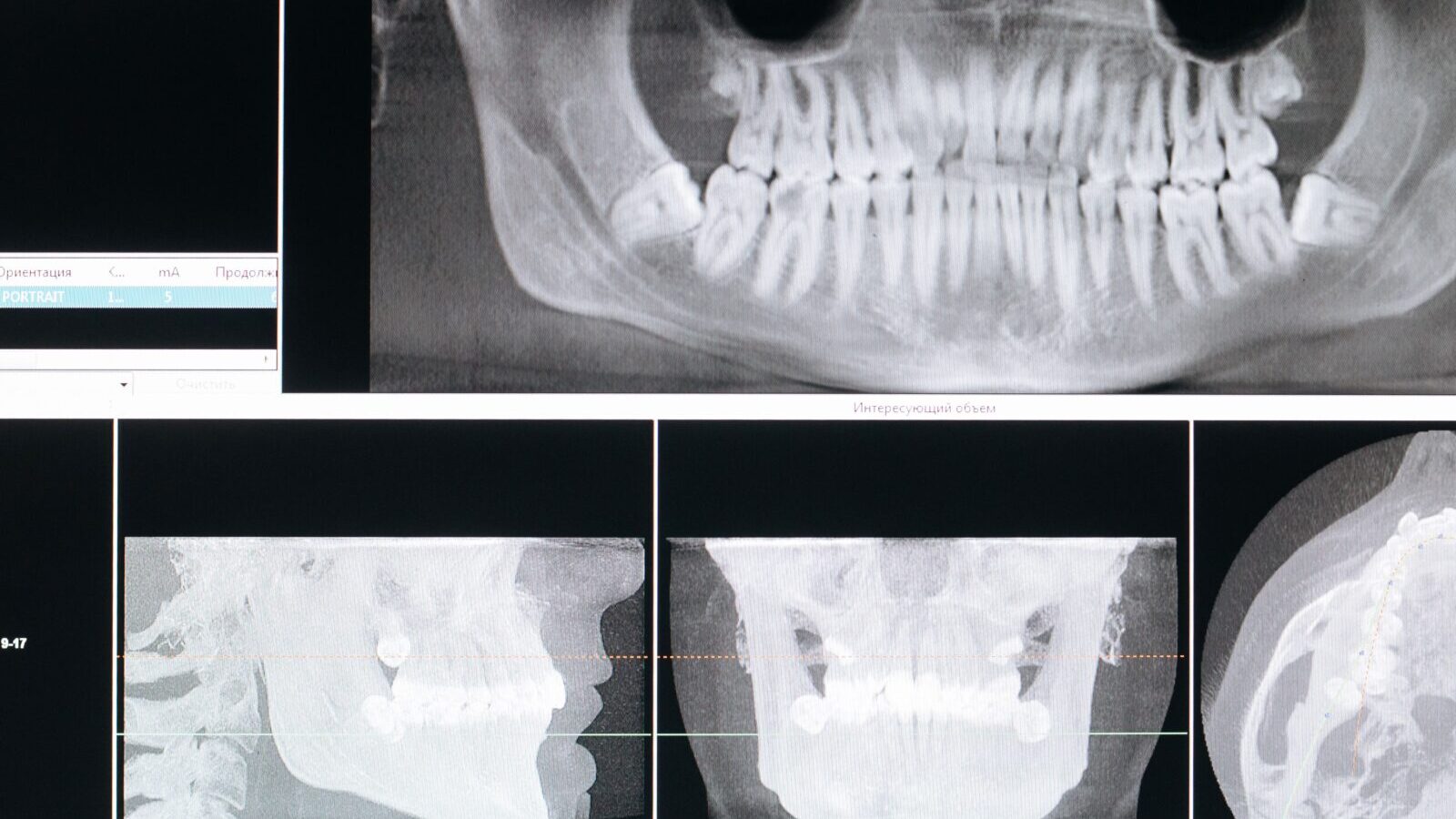
- Most extractions are done under local anaesthesia in about 20–45 minutes; a 3D scan (CBCT) is used when roots lie close to the nerve.
- Swelling peaks on day 2–3 and settles within about a week; most people return to work or study in 2–3 days.
- Increasing pain after day 3, fever, pus or numbness that does not improve are reasons to contact your surgeon.
Wisdom teeth (third molars) only need to be removed when they cause problems or are likely to. If they are healthy, fully erupted and easy to clean, regular check-ups are usually enough. This guide explains how oral and maxillofacial surgeons decide, what happens during the procedure and how to recover well.
What are wisdom teeth and why do they cause problems?
Wisdom teeth are the last molars to come through, usually between the ages of 17 and 25. Many people have one to four of them; some have none. Because they arrive last, there is often not enough space in the jaw. The tooth may then stay partly or fully under the gum or bone, or grow at an angle against the neighbouring molar. These are called impacted wisdom teeth.
An impacted or partly erupted tooth creates a pocket that traps food and bacteria and is very difficult to clean. That is why most problems are infection, decay and damage to the tooth in front, rather than the wisdom tooth itself.
When is removal needed?
Current guidelines, including those of the UK National Institute for Health and Care Excellence (NICE), recommend removal when there is a clear clinical reason rather than “just in case”. Typical reasons are:
- Recurrent pericoronitis: repeated infection and swelling of the gum flap over a partly erupted tooth.
- Decay in the wisdom tooth that cannot be restored, or decay at the back of the second molar caused by food trapping.
- Gum disease or bone loss around the wisdom tooth or the neighbouring molar.
- Cysts or other lesions developing around the crown of an impacted tooth.
- Resorption (damage) of the root of the second molar.
- Planned orthodontic or jaw surgery, or a tooth that interferes with a denture or prosthesis.
When can wisdom teeth be left alone?
A wisdom tooth that is fully erupted, in good position, free of decay and easy to clean can stay. A deeply impacted tooth that causes no symptoms and shows no disease on X-ray is often monitored rather than removed, because surgery always carries some risk. Your dentist will usually check it with periodic X-rays.
How surgeons decide: examination and imaging
The decision is based on symptoms, a clinical examination and an X-ray, usually a panoramic radiograph (OPG). When the roots of a lower wisdom tooth appear close to the inferior alveolar nerve, which gives feeling to the lower lip and chin, a three-dimensional cone-beam CT (CBCT) scan helps plan the safest approach. In some high-risk cases, a surgeon may suggest coronectomy — removing only the crown and leaving the roots that touch the nerve.
What happens during the procedure?
Most extractions are carried out under local anaesthesia, sometimes combined with sedation for anxious patients or more complex cases; general anaesthesia is used occasionally. For an erupted tooth the procedure can be as simple as a routine extraction. For an impacted tooth, the surgeon makes a small opening in the gum, may remove a little bone and often divides the tooth into sections so it can be removed with minimal force. The area is cleaned and usually closed with stitches. A single tooth typically takes 20–45 minutes.
Recovery: day by day
| Time | What is normal | What helps |
|---|---|---|
| First 24 hours | Oozing of blood, numbness wearing off, mild pain | Bite on gauze, cold packs, avoid rinsing, spitting and straws |
| Days 2–3 | Swelling and stiffness at their peak | Pain relief as advised, soft food, sleep with head raised |
| Days 4–7 | Steady improvement; bruising may appear | Warm salt-water rinses after meals, gentle brushing |
| 1–2 weeks | Stitches dissolve or are removed; normal diet returns | Keep the socket clean until the gum closes |
Avoid smoking for at least 48–72 hours, as it delays healing and increases the risk of dry socket. Follow your surgeon’s instructions about painkillers and any antibiotics, which are not needed routinely.
Possible complications
- Dry socket (alveolar osteitis): the blood clot is lost, causing increasing pain 2–4 days after surgery. It is treated by cleaning the socket and placing a soothing dressing.
- Infection: swelling or pain that worsens after day 3, fever or pus.
- Nerve injury: tingling or numbness of the lip, chin or tongue. It is uncommon and usually temporary, but rarely can be long-lasting — which is why careful imaging matters.
- Bleeding that does not stop with firm pressure on gauze.
When to contact your surgeon urgently
Call your surgeon if pain increases after the third day, if you develop fever, difficulty swallowing or breathing, bleeding that does not stop, or numbness that is not improving. Swelling that spreads to the neck needs emergency care.
Related reading: Dental implants and bone grafting · Jaw pain and TMJ disorders.
Frequently asked questions
How long does wisdom tooth recovery take?
Most people return to normal activities within 2–3 days; swelling settles in about a week and the socket heals over several weeks.
Is wisdom tooth removal painful?
The procedure is done under local anaesthesia, sometimes with sedation, so you feel pressure but not pain. Afterwards, discomfort is usually well controlled with the painkillers your surgeon recommends.
What can I eat after wisdom tooth removal?
Soft, lukewarm foods such as yoghurt, soups, mashed potatoes and scrambled eggs for the first few days. Avoid hard, crunchy and very hot foods until the area heals.
Should all four wisdom teeth be removed at once?
Only teeth with a clinical reason should be removed. Removing several in one session is possible and means a single recovery period.
What is dry socket and how do I prevent it?
Dry socket is loss of the blood clot from the socket. Avoid smoking, straws and vigorous rinsing in the first days to protect the clot.
Can wisdom teeth cause crowding of the front teeth?
Research does not show that wisdom teeth are a major cause of crowding of the front teeth, so they are not removed for this reason alone.
Last medically reviewed: November 2026.
References
- NICE Technology Appraisal TA1 — Guidance on the extraction of wisdom teeth.
- American Association of Oral and Maxillofacial Surgeons — Wisdom teeth management.
- Ghaeminia H et al. Surgical removal versus retention for the management of asymptomatic disease-free impacted wisdom teeth. Cochrane Database Syst Rev. 2020.
- NHS — Wisdom tooth removal.