






















Knowing what is normal after an extraction helps you heal well and spot problems early. These are general guidelines; always follow the specific instructions from your dentist or surgeon.

The first hours
- Bite firmly on the gauze for 30 to 60 minutes to form a clot.
- Some oozing of blood-tinged saliva is normal for the first day.
- Do not rinse, spit forcefully or touch the area.
- Take pain medicine before the anaesthesia wears off if advised.
First 24 to 72 hours
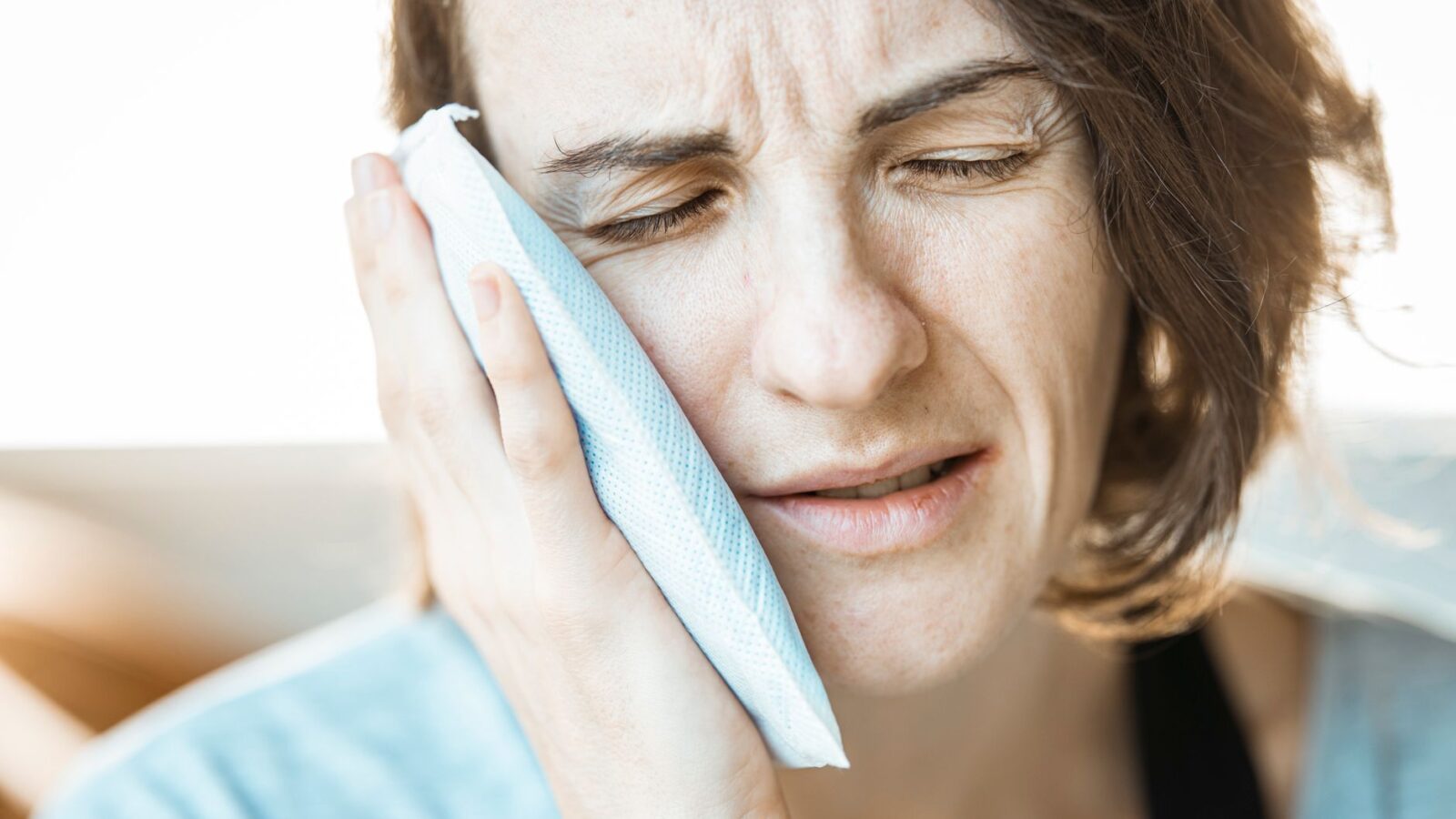
- Use a cold pack on the cheek in short intervals during the first day to reduce swelling.
- Swelling usually peaks around 2 to 3 days and then settles.
- Eat soft, lukewarm foods and chew on the other side.
- Avoid hot drinks, alcohol, smoking and straws.
- Keep your head slightly raised when resting.
Cleaning the mouth
Brush your other teeth as usual and avoid the extraction site at first. After the first 24 hours, rinse gently with warm salt water after meals unless you were told otherwise.
The first week
Discomfort should improve each day. Stitches may dissolve by themselves within one to two weeks. Return to light activity after a day or two, but avoid heavy exercise until bleeding and swelling have settled.
Warning signs
- Bleeding that does not stop after firm pressure for 30 minutes.
- Pain that gets worse after day 3 (possible dry socket).
- Fever, increasing swelling, or pus.
- Difficulty swallowing or breathing.
Contact your dentist promptly for any of these, and seek emergency care for swallowing or breathing difficulty.
Why aftercare matters
The first few days after an extraction determine how well the clot forms and how quickly the site heals. Good aftercare reduces pain, bleeding and the risk of infection or dry socket.
Managing bleeding
A little blood in saliva is normal for the first day. If bleeding restarts, fold a clean piece of gauze, bite on it firmly for 20 to 30 minutes and avoid talking. A moistened tea bag can also be used. If bleeding continues after that, contact your dentist.
Pain control
- Take pain relief as advised, ideally before the anaesthetic fades.
- Do not exceed the dose listed on the label or prescribed.
- Do not place aspirin directly on the gum.
- Ask your dentist which painkillers are safe for you, especially if you take other medicines.
Diet
- Begin with cool, soft foods such as yoghurt, soup (not hot), mashed vegetables and eggs.
- Avoid hard, sharp or crumbly foods, and very spicy foods, for the first few days.
- Drink plenty of water, but avoid alcohol and straws.
- Chew on the opposite side until the area feels comfortable.
Activity and sleep
Rest for the first day and avoid strenuous exercise for a few days because raised blood pressure can restart bleeding. Sleep with your head slightly raised for the first night.
Smoking and alcohol
Smoking delays healing and raises the risk of dry socket. Avoid smoking and vaping for as long as possible, ideally for several days or longer. Avoid alcohol for at least the first 24 to 48 hours.
Common mistakes and myths
- Rinsing vigorously on the first day.
- Using a straw or smoking.
- Applying heat to a swollen cheek in the first 48 hours.
- Stopping prescribed medicines as soon as the pain eases.
- Returning to hard exercise too early.
When to see a specialist
Your general dentist can manage most post-extraction care. Seek an oral surgeon or emergency care if bleeding does not stop with pressure, if swelling spreads or affects your breathing or swallowing, or if you have fever.
Key takeaways
- Bite on gauze, avoid rinsing and smoking on the first day.
- Use cold packs, soft foods and prescribed medicines.
- Swelling peaks around day two or three.
- Call your dentist if pain worsens after day three or if you have fever or persistent bleeding.
Frequently asked questions
When can I brush normally?
You can brush your other teeth the same evening. Avoid the extraction area at first, and brush gently near it after a few days.
Is swelling normal?
Yes. It usually peaks on day two or three and gradually settles. Cold packs on the first day and keeping your head raised help.
When do stitches come out?
Many dissolve in one to two weeks. If yours do not dissolve, your dentist will remove them.
When can I exercise again?
Light activity is usually fine after a day or two. Wait longer for strenuous exercise or contact sports, as advised by your dentist.
What should I do if I see a white or yellow layer in the socket?
This is often normal healing tissue (granulation), not pus. If it comes with severe pain, bad taste or fever, contact your dentist.
This article is for general education and does not replace an examination by a dentist or oral surgeon. If you have severe pain, swelling that is spreading, fever, or difficulty swallowing or breathing, seek urgent care.